
For drivers and towing companies, a de-escalation would bring some relief, but fuel costs are unlikely to return to previous lows quickly. Broader factors such as inflation, global demand, and long-term energy trends will continue to influence petrol prices in Australia.
The Overall Impact of Rising Fuel Prices
Fuel prices affect more than just what you pay at the pump. Changes in petrol prices also influence how vehicles are purchased, maintained, and used. They affect household budgets, business expenses, and long-term transport decisions. Below is a quick overview before we go into more detail:
- Higher fuel and petrol prices increase the overall cost of owning and operating a vehicle
- Demand shifts toward smaller and more fuel-efficient vehicles
- Manufacturers adjust production based on changing buyer preferences
- Towing companies face higher operating costs on every job
- Inflation adds pressure through insurance, labour, and equipment costs
- This leads to higher operating costs and tighter margins for businesses
How Rising Fuel Costs Affect The Automotive Industry
Fuel prices influence how people buy vehicles and how manufacturers respond. As petrol prices rise, the automotive market adjusts quickly.
Changes In Consumer Buying Behaviour
One of the most immediate effects of rising petrol prices is how people choose their vehicles. As running costs increase, buyers start to rethink what matters most when purchasing a car.
When fuel prices are low, buyers often prioritise size, performance, and comfort. Larger vehicles such as SUVs and utes become more appealing because fuel costs are less of a concern.
When petrol prices increase, priorities shift quickly. Running costs become a major factor in decision-making, and buyers begin to look for more efficient and affordable options.
As a result, vehicle preferences typically change in the following ways:
- Increased demand for smaller and fuel-efficient vehicles
- Greater interest in hybrid and electric vehicles
- Reduced demand for large SUVs and high-consumption vehicles
- Stronger focus on long-term running costs rather than the upfront price
- More consideration of fuel economy ratings when comparing vehicles
In markets where petrol prices in Australia fluctuate often, this shift can happen rapidly. Buyers become more focused on long-term savings and the overall cost of ownership rather than just the purchase price.
The Shift Towards Electric Vehicles
As petrol prices rise, more drivers are considering alternatives to petrol and diesel. Electric vehicles are becoming a practical option, mainly due to lower and more stable running costs.
Electricity is generally cheaper than fuel, which makes daily driving more predictable in terms of cost. EVs also require less maintenance, as they have fewer moving parts and no engine oil, as shared by Charging WA. This can reduce long-term servicing expenses.
Because of this, higher petrol prices in Australia are accelerating EV adoption. What was once considered a future option is now a practical choice for many drivers.

Fuel Costs Vs Towing Business Impact
Rising petrol prices in Sydney affect every part of a towing business. Because fuel is used on every job, it increases the impact of other costs such as maintenance, insurance, and labour.
For towing companies, this means higher daily expenses and tighter margins. Businesses must manage these rising costs while still providing fast and reliable service to customers.
The table below outlines how fuel prices influence key areas of towing operations.
| Factor | Impact Of Rising Fuel Prices | Effect On The Towing Industry |
|---|---|---|
| Fuel Price | Increases per litre with frequent fluctuations | Higher cost per kilometre and per job |
| Vehicle Demand | Shift toward smaller, hybrid, and electric vehicles | Requires updated towing methods and equipment |
| Equipment Costs | Higher prices for parts, tyres, and servicing | Increased fleet maintenance costs |
| Insurance | Premiums rise with repair and replacement costs | Higher fixed operating expenses |
| Labour | Wages increase with the cost of living | Higher staffing costs to maintain 24/7 service |
In practical terms, even a small increase in petrol prices can add up quickly across multiple jobs in a single day. For example, a 20 to 30 cent increase per litre can significantly raise the cost of car towing, as the tow truck must travel to the breakdown location, transport the vehicle, and return to base.
That is why towing companies focus on efficient dispatch systems, route planning, and maintaining fuel-efficient fleets. These steps help minimise the impact of rising fuel prices while keeping service quality high.

The Bigger Picture: Where Fuel Prices Are Heading
Petrol prices in Australia are shaping the future of both the automotive and towing industries. This is not just a short-term trend, but part of a broader shift in how transport operates.
From the vehicles people choose to the cost of keeping them on the road, petrol prices influence decisions at every level. Drivers are becoming more conscious of efficiency, while businesses are focusing on cost control and operational improvements.
What makes the current environment challenging is the combination of rising petrol prices and broader inflation. Insurance, labour, and equipment costs are all increasing at the same time, adding further pressure to both drivers and service providers.
For drivers and towing companies alike, the takeaway is clear. Adapting to rising petrol prices is essential. Efficiency, experience, and reliable service are more important than ever.
For drivers and businesses, including towing companies, this means petrol prices may remain volatile and higher than usual. Sudden increases can happen with little warning, making it more difficult to predict and manage fuel costs in the short term.
If The Middle East Conflict De-Escalates
If the conflict in the Middle East begins to ease, petrol prices may stabilise, but this does not always mean an immediate drop at the pump. Fuel pricing is influenced by multiple factors, and changes often take time to flow through to consumers.
When tensions reduce, the global oil supply typically becomes more stable. Shipping routes such as the Strait of Hormuz operate with less disruption, allowing oil to move more freely. This can help ease pressure on global oil prices and reduce volatility in petrol prices in Australia.
However, price decreases are usually slighter than increases. Even if supply improves, existing contracts, transport costs, and local fuel cycles can delay noticeable price reductions in cities like Sydney.
If the situation improves, the most likely outcomes include:
- More stable petrol prices with fewer sudden spikes
- Gradual easing of global oil prices
- Improved supply chain reliability and fewer disruptions
- Reduced pressure on transport and towing operating costs
- Better predictability for fuel budgeting for both drivers and businesses
For drivers and towing companies, a de-escalation would bring some relief, but fuel costs are unlikely to return to previous lows quickly. Broader factors such as inflation, global demand, and long-term energy trends will continue to influence petrol prices in Australia.
The Overall Impact of Rising Fuel Prices
Fuel prices affect more than just what you pay at the pump. Changes in petrol prices also influence how vehicles are purchased, maintained, and used. They affect household budgets, business expenses, and long-term transport decisions. Below is a quick overview before we go into more detail:
- Higher fuel and petrol prices increase the overall cost of owning and operating a vehicle
- Demand shifts toward smaller and more fuel-efficient vehicles
- Manufacturers adjust production based on changing buyer preferences
- Towing companies face higher operating costs on every job
- Inflation adds pressure through insurance, labour, and equipment costs
- This leads to higher operating costs and tighter margins for businesses
How Rising Fuel Costs Affect The Automotive Industry
Fuel prices influence how people buy vehicles and how manufacturers respond. As petrol prices rise, the automotive market adjusts quickly.
Changes In Consumer Buying Behaviour
One of the most immediate effects of rising petrol prices is how people choose their vehicles. As running costs increase, buyers start to rethink what matters most when purchasing a car.
When fuel prices are low, buyers often prioritise size, performance, and comfort. Larger vehicles such as SUVs and utes become more appealing because fuel costs are less of a concern.
When petrol prices increase, priorities shift quickly. Running costs become a major factor in decision-making, and buyers begin to look for more efficient and affordable options.
As a result, vehicle preferences typically change in the following ways:
- Increased demand for smaller and fuel-efficient vehicles
- Greater interest in hybrid and electric vehicles
- Reduced demand for large SUVs and high-consumption vehicles
- Stronger focus on long-term running costs rather than the upfront price
- More consideration of fuel economy ratings when comparing vehicles
In markets where petrol prices in Australia fluctuate often, this shift can happen rapidly. Buyers become more focused on long-term savings and the overall cost of ownership rather than just the purchase price.
The Shift Towards Electric Vehicles
As petrol prices rise, more drivers are considering alternatives to petrol and diesel. Electric vehicles are becoming a practical option, mainly due to lower and more stable running costs.
Electricity is generally cheaper than fuel, which makes daily driving more predictable in terms of cost. EVs also require less maintenance, as they have fewer moving parts and no engine oil, as shared by Charging WA. This can reduce long-term servicing expenses.
Because of this, higher petrol prices in Australia are accelerating EV adoption. What was once considered a future option is now a practical choice for many drivers.
Fuel Costs Vs Towing Business Impact
Rising petrol prices in Sydney affect every part of a towing business. Because fuel is used on every job, it increases the impact of other costs such as maintenance, insurance, and labour.
For towing companies, this means higher daily expenses and tighter margins. Businesses must manage these rising costs while still providing fast and reliable service to customers.
The table below outlines how fuel prices influence key areas of towing operations.
| Factor | Impact Of Rising Fuel Prices | Effect On The Towing Industry |
|---|---|---|
| Fuel Price | Increases per litre with frequent fluctuations | Higher cost per kilometre and per job |
| Vehicle Demand | Shift toward smaller, hybrid, and electric vehicles | Requires updated towing methods and equipment |
| Equipment Costs | Higher prices for parts, tyres, and servicing | Increased fleet maintenance costs |
| Insurance | Premiums rise with repair and replacement costs | Higher fixed operating expenses |
| Labour | Wages increase with the cost of living | Higher staffing costs to maintain 24/7 service |
In practical terms, even a small increase in petrol prices can add up quickly across multiple jobs in a single day. For example, a 20 to 30 cent increase per litre can significantly raise the cost of car towing, as the tow truck must travel to the breakdown location, transport the vehicle, and return to base.
That is why towing companies focus on efficient dispatch systems, route planning, and maintaining fuel-efficient fleets. These steps help minimise the impact of rising fuel prices while keeping service quality high.
The Bigger Picture: Where Fuel Prices Are Heading
Petrol prices in Australia are shaping the future of both the automotive and towing industries. This is not just a short-term trend, but part of a broader shift in how transport operates.
From the vehicles people choose to the cost of keeping them on the road, petrol prices influence decisions at every level. Drivers are becoming more conscious of efficiency, while businesses are focusing on cost control and operational improvements.
What makes the current environment challenging is the combination of rising petrol prices and broader inflation. Insurance, labour, and equipment costs are all increasing at the same time, adding further pressure to both drivers and service providers.
For drivers and towing companies alike, the takeaway is clear. Adapting to rising petrol prices is essential. Efficiency, experience, and reliable service are more important than ever.
As a result, both drivers and transport-based businesses are dealing with petrol prices that are higher and less predictable.
How The Middle East Conflict Is Driving Petrol Prices Higher
The current conflict in the Middle East is one of the biggest factors influencing petrol prices worldwide. This region plays a central role in global oil supply, so any disruption has an immediate impact on fuel costs across the world, including Australia.
One of the key pressure points is the Strait of Hormuz, a narrow shipping route that carries a large share of the world’s oil supply. As The Guardian reports about the strategic presence and control by Iran of the Strait, this move has already caused major disruptions to oil transport and infrastructure, pushing oil prices above $100 per barrel and increasing petrol prices globally, as reported by the BBC.
Even when supply is not completely cut off, uncertainty alone is enough to drive prices higher. Oil markets react quickly to risk. Concerns about attacks on tankers, damaged refineries, or blocked shipping routes can cause sudden price spikes that flow through to petrol prices in Australia.
There is also a direct impact on supply chains. Damage to energy facilities and restricted shipping routes means less oil reaches global markets. In some cases, tankers are forced to take longer and more expensive routes, increasing transport costs. These added costs are passed down through the supply chain and reflected at the pump.
For drivers and businesses, including towing companies, this means petrol prices may remain volatile and higher than usual. Sudden increases can happen with little warning, making it more difficult to predict and manage fuel costs in the short term.
If The Middle East Conflict De-Escalates
If the conflict in the Middle East begins to ease, petrol prices may stabilise, but this does not always mean an immediate drop at the pump. Fuel pricing is influenced by multiple factors, and changes often take time to flow through to consumers.
When tensions reduce, the global oil supply typically becomes more stable. Shipping routes such as the Strait of Hormuz operate with less disruption, allowing oil to move more freely. This can help ease pressure on global oil prices and reduce volatility in petrol prices in Australia.
However, price decreases are usually slighter than increases. Even if supply improves, existing contracts, transport costs, and local fuel cycles can delay noticeable price reductions in cities like Sydney.
If the situation improves, the most likely outcomes include:
- More stable petrol prices with fewer sudden spikes
- Gradual easing of global oil prices
- Improved supply chain reliability and fewer disruptions
- Reduced pressure on transport and towing operating costs
- Better predictability for fuel budgeting for both drivers and businesses
For drivers and towing companies, a de-escalation would bring some relief, but fuel costs are unlikely to return to previous lows quickly. Broader factors such as inflation, global demand, and long-term energy trends will continue to influence petrol prices in Australia.
The Overall Impact of Rising Fuel Prices
Fuel prices affect more than just what you pay at the pump. Changes in petrol prices also influence how vehicles are purchased, maintained, and used. They affect household budgets, business expenses, and long-term transport decisions. Below is a quick overview before we go into more detail:
- Higher fuel and petrol prices increase the overall cost of owning and operating a vehicle
- Demand shifts toward smaller and more fuel-efficient vehicles
- Manufacturers adjust production based on changing buyer preferences
- Towing companies face higher operating costs on every job
- Inflation adds pressure through insurance, labour, and equipment costs
- This leads to higher operating costs and tighter margins for businesses
How Rising Fuel Costs Affect The Automotive Industry
Fuel prices influence how people buy vehicles and how manufacturers respond. As petrol prices rise, the automotive market adjusts quickly.
Changes In Consumer Buying Behaviour
One of the most immediate effects of rising petrol prices is how people choose their vehicles. As running costs increase, buyers start to rethink what matters most when purchasing a car.
When fuel prices are low, buyers often prioritise size, performance, and comfort. Larger vehicles such as SUVs and utes become more appealing because fuel costs are less of a concern.
When petrol prices increase, priorities shift quickly. Running costs become a major factor in decision-making, and buyers begin to look for more efficient and affordable options.
As a result, vehicle preferences typically change in the following ways:
- Increased demand for smaller and fuel-efficient vehicles
- Greater interest in hybrid and electric vehicles
- Reduced demand for large SUVs and high-consumption vehicles
- Stronger focus on long-term running costs rather than the upfront price
- More consideration of fuel economy ratings when comparing vehicles
In markets where petrol prices in Australia fluctuate often, this shift can happen rapidly. Buyers become more focused on long-term savings and the overall cost of ownership rather than just the purchase price.
The Shift Towards Electric Vehicles
As petrol prices rise, more drivers are considering alternatives to petrol and diesel. Electric vehicles are becoming a practical option, mainly due to lower and more stable running costs.
Electricity is generally cheaper than fuel, which makes daily driving more predictable in terms of cost. EVs also require less maintenance, as they have fewer moving parts and no engine oil, as shared by Charging WA. This can reduce long-term servicing expenses.
Because of this, higher petrol prices in Australia are accelerating EV adoption. What was once considered a future option is now a practical choice for many drivers.
Fuel Costs Vs Towing Business Impact
Rising petrol prices in Sydney affect every part of a towing business. Because fuel is used on every job, it increases the impact of other costs such as maintenance, insurance, and labour.
For towing companies, this means higher daily expenses and tighter margins. Businesses must manage these rising costs while still providing fast and reliable service to customers.
The table below outlines how fuel prices influence key areas of towing operations.
| Factor | Impact Of Rising Fuel Prices | Effect On The Towing Industry |
|---|---|---|
| Fuel Price | Increases per litre with frequent fluctuations | Higher cost per kilometre and per job |
| Vehicle Demand | Shift toward smaller, hybrid, and electric vehicles | Requires updated towing methods and equipment |
| Equipment Costs | Higher prices for parts, tyres, and servicing | Increased fleet maintenance costs |
| Insurance | Premiums rise with repair and replacement costs | Higher fixed operating expenses |
| Labour | Wages increase with the cost of living | Higher staffing costs to maintain 24/7 service |
In practical terms, even a small increase in petrol prices can add up quickly across multiple jobs in a single day. For example, a 20 to 30 cent increase per litre can significantly raise the cost of car towing, as the tow truck must travel to the breakdown location, transport the vehicle, and return to base.
That is why towing companies focus on efficient dispatch systems, route planning, and maintaining fuel-efficient fleets. These steps help minimise the impact of rising fuel prices while keeping service quality high.
The Bigger Picture: Where Fuel Prices Are Heading
Petrol prices in Australia are shaping the future of both the automotive and towing industries. This is not just a short-term trend, but part of a broader shift in how transport operates.
From the vehicles people choose to the cost of keeping them on the road, petrol prices influence decisions at every level. Drivers are becoming more conscious of efficiency, while businesses are focusing on cost control and operational improvements.
What makes the current environment challenging is the combination of rising petrol prices and broader inflation. Insurance, labour, and equipment costs are all increasing at the same time, adding further pressure to both drivers and service providers.
For drivers and towing companies alike, the takeaway is clear. Adapting to rising petrol prices is essential. Efficiency, experience, and reliable service are more important than ever.
Rising fuel prices increase the cost of owning and running a vehicle, influence the types of cars people choose, and place immediate pressure on service industries like towing. When fuel prices rise, everything connected to transport becomes more expensive.
In the towing industry, fuel is not just another expense. It is one of the largest daily operating costs. Every job, whether it’s assisting with a breakdown on the motorway or moving a vehicle across Sydney, depends on fuel. As petrol prices in Sydney increase, the impact is felt straight away across dispatch, fleet operations, pricing, and overall service delivery.
This guide explains how rising fuel prices and petrol prices in Australia affect both the automotive and towing industries, and what that means for you.
Why Fuel Prices Have a Wide-Reaching Impact
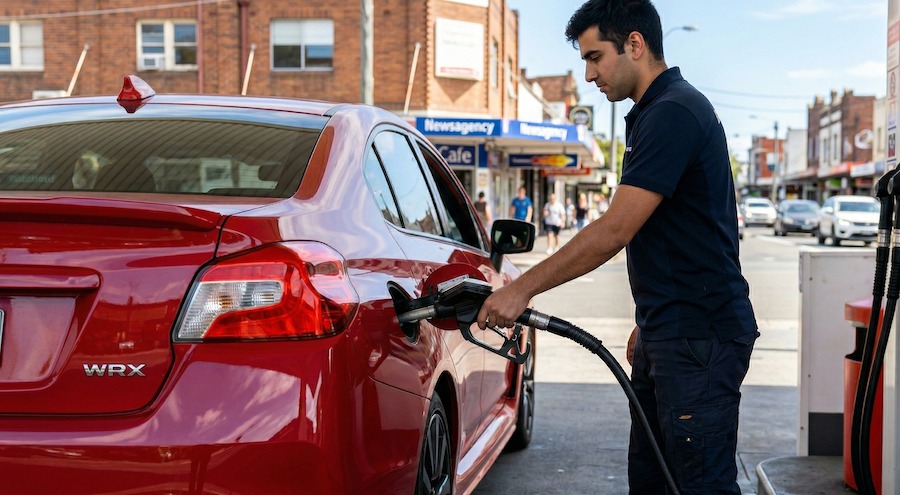
Fuel prices affect more than daily driving. They influence how industries operate and how goods move. Even small increases in petrol prices in Australia can have wide effects across the economy.
Fuel As A Core Economic Driver
Fuel is a cost that touches almost every part of the economy. It supports transport, logistics, and daily travel. From moving goods across the country to getting to work, fuel plays a central role in keeping Australia moving.
When fuel and petrol prices rise, the impact goes beyond motorists. It affects supply chains, repair costs, parts delivery, and even insurance pricing. Businesses that rely on vehicles, including towing services, feel this pressure immediately because fuel use is constant and unavoidable.
In practical terms, higher fuel prices increase the baseline cost of operating a business. For towing companies, every kilometre travelled becomes more expensive, whether it is a short urban tow or a longer-distance vehicle transport. This is especially noticeable as Sydney petrol prices continue to fluctuate frequently.
Supply And Demand Behind Fuel Prices
Fuel prices are largely driven by global supply and demand, which is why petrol prices can change quickly and often without much warning.
Demand for fuel tends to stay steady. People still need to drive, commute, and transport goods, even when petrol prices in Sydney increase. This makes rising fuel costs difficult to offset, as usage does not drop enough to balance the increase.
On the supply side, factors such as geopolitical events, production limits, shipping disruptions, and refinery issues can push prices higher. When supply is reduced, the impact on petrol prices in Australia is immediate and often significant.
Recent Fuel Price Trends
In recent weeks, fuel prices have remained unpredictable. Changes in global oil supply, refinery capacity, and currency movements have all contributed to ongoing fluctuations. In Australia, metro fuel cycles continue to cause noticeable price swings within short periods.
Below is a line graph showing the substantial increase in fuel prices within the past month, as seen from FuelCheck NSW.
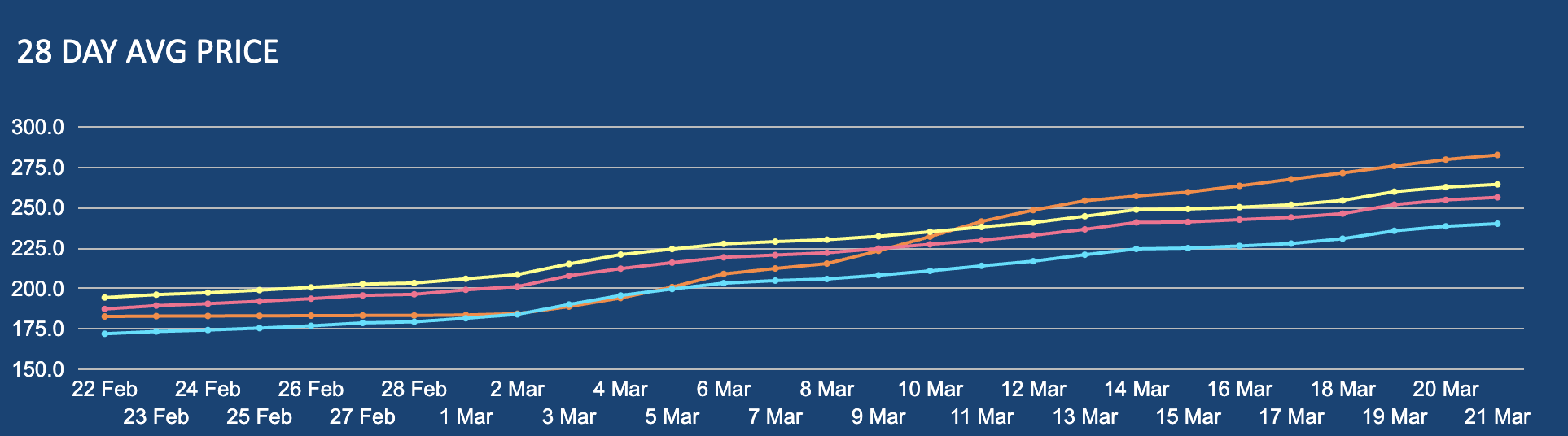
In Sydney, drivers regularly see petrol prices in Sydney increase by 20 to 30 cents per litre within days. These sharp changes directly affect weekly driving costs and the cost of running transport services.
For towing operators, this creates ongoing pressure. Fuel is used throughout the day, so even small increases in petrol prices quickly add up across multiple jobs, especially when covering long distances or responding to emergency breakdowns.
Here’s how these price changes impact both drivers and towing businesses in real terms:
- Higher weekly fuel costs for everyday drivers
- Increased operating costs for transport and towing services
- More frequent price adjustments for services like car towing
- Reduced profit margins for towing operators
- Greater need for efficient route planning and dispatch
- Unpredictable budgeting due to fluctuating petrol prices in Sydney
Global oil market conditions are also keeping prices elevated. Ongoing supply decisions and geopolitical factors are limiting how much fuel prices can fall, even during lower points in the cycle.
As a result, both drivers and transport-based businesses are dealing with petrol prices that are higher and less predictable.
How The Middle East Conflict Is Driving Petrol Prices Higher
The current conflict in the Middle East is one of the biggest factors influencing petrol prices worldwide. This region plays a central role in global oil supply, so any disruption has an immediate impact on fuel costs across the world, including Australia.
One of the key pressure points is the Strait of Hormuz, a narrow shipping route that carries a large share of the world’s oil supply. As The Guardian reports about the strategic presence and control by Iran of the Strait, this move has already caused major disruptions to oil transport and infrastructure, pushing oil prices above $100 per barrel and increasing petrol prices globally, as reported by the BBC.
Even when supply is not completely cut off, uncertainty alone is enough to drive prices higher. Oil markets react quickly to risk. Concerns about attacks on tankers, damaged refineries, or blocked shipping routes can cause sudden price spikes that flow through to petrol prices in Australia.
There is also a direct impact on supply chains. Damage to energy facilities and restricted shipping routes means less oil reaches global markets. In some cases, tankers are forced to take longer and more expensive routes, increasing transport costs. These added costs are passed down through the supply chain and reflected at the pump.
For drivers and businesses, including towing companies, this means petrol prices may remain volatile and higher than usual. Sudden increases can happen with little warning, making it more difficult to predict and manage fuel costs in the short term.
If The Middle East Conflict De-Escalates
If the conflict in the Middle East begins to ease, petrol prices may stabilise, but this does not always mean an immediate drop at the pump. Fuel pricing is influenced by multiple factors, and changes often take time to flow through to consumers.
When tensions reduce, the global oil supply typically becomes more stable. Shipping routes such as the Strait of Hormuz operate with less disruption, allowing oil to move more freely. This can help ease pressure on global oil prices and reduce volatility in petrol prices in Australia.
However, price decreases are usually slighter than increases. Even if supply improves, existing contracts, transport costs, and local fuel cycles can delay noticeable price reductions in cities like Sydney.
If the situation improves, the most likely outcomes include:
- More stable petrol prices with fewer sudden spikes
- Gradual easing of global oil prices
- Improved supply chain reliability and fewer disruptions
- Reduced pressure on transport and towing operating costs
- Better predictability for fuel budgeting for both drivers and businesses
For drivers and towing companies, a de-escalation would bring some relief, but fuel costs are unlikely to return to previous lows quickly. Broader factors such as inflation, global demand, and long-term energy trends will continue to influence petrol prices in Australia.
The Overall Impact of Rising Fuel Prices
Fuel prices affect more than just what you pay at the pump. Changes in petrol prices also influence how vehicles are purchased, maintained, and used. They affect household budgets, business expenses, and long-term transport decisions. Below is a quick overview before we go into more detail:
- Higher fuel and petrol prices increase the overall cost of owning and operating a vehicle
- Demand shifts toward smaller and more fuel-efficient vehicles
- Manufacturers adjust production based on changing buyer preferences
- Towing companies face higher operating costs on every job
- Inflation adds pressure through insurance, labour, and equipment costs
- This leads to higher operating costs and tighter margins for businesses
How Rising Fuel Costs Affect The Automotive Industry
Fuel prices influence how people buy vehicles and how manufacturers respond. As petrol prices rise, the automotive market adjusts quickly.
Changes In Consumer Buying Behaviour
One of the most immediate effects of rising petrol prices is how people choose their vehicles. As running costs increase, buyers start to rethink what matters most when purchasing a car.
When fuel prices are low, buyers often prioritise size, performance, and comfort. Larger vehicles such as SUVs and utes become more appealing because fuel costs are less of a concern.
When petrol prices increase, priorities shift quickly. Running costs become a major factor in decision-making, and buyers begin to look for more efficient and affordable options.
As a result, vehicle preferences typically change in the following ways:
- Increased demand for smaller and fuel-efficient vehicles
- Greater interest in hybrid and electric vehicles
- Reduced demand for large SUVs and high-consumption vehicles
- Stronger focus on long-term running costs rather than the upfront price
- More consideration of fuel economy ratings when comparing vehicles
In markets where petrol prices in Australia fluctuate often, this shift can happen rapidly. Buyers become more focused on long-term savings and the overall cost of ownership rather than just the purchase price.
The Shift Towards Electric Vehicles
As petrol prices rise, more drivers are considering alternatives to petrol and diesel. Electric vehicles are becoming a practical option, mainly due to lower and more stable running costs.
Electricity is generally cheaper than fuel, which makes daily driving more predictable in terms of cost. EVs also require less maintenance, as they have fewer moving parts and no engine oil, as shared by Charging WA. This can reduce long-term servicing expenses.
Because of this, higher petrol prices in Australia are accelerating EV adoption. What was once considered a future option is now a practical choice for many drivers.
Fuel Costs Vs Towing Business Impact
Rising petrol prices in Sydney affect every part of a towing business. Because fuel is used on every job, it increases the impact of other costs such as maintenance, insurance, and labour.
For towing companies, this means higher daily expenses and tighter margins. Businesses must manage these rising costs while still providing fast and reliable service to customers.
The table below outlines how fuel prices influence key areas of towing operations.
| Factor | Impact Of Rising Fuel Prices | Effect On The Towing Industry |
|---|---|---|
| Fuel Price | Increases per litre with frequent fluctuations | Higher cost per kilometre and per job |
| Vehicle Demand | Shift toward smaller, hybrid, and electric vehicles | Requires updated towing methods and equipment |
| Equipment Costs | Higher prices for parts, tyres, and servicing | Increased fleet maintenance costs |
| Insurance | Premiums rise with repair and replacement costs | Higher fixed operating expenses |
| Labour | Wages increase with the cost of living | Higher staffing costs to maintain 24/7 service |
In practical terms, even a small increase in petrol prices can add up quickly across multiple jobs in a single day. For example, a 20 to 30 cent increase per litre can significantly raise the cost of car towing, as the tow truck must travel to the breakdown location, transport the vehicle, and return to base.
That is why towing companies focus on efficient dispatch systems, route planning, and maintaining fuel-efficient fleets. These steps help minimise the impact of rising fuel prices while keeping service quality high.
The Bigger Picture: Where Fuel Prices Are Heading
Petrol prices in Australia are shaping the future of both the automotive and towing industries. This is not just a short-term trend, but part of a broader shift in how transport operates.
From the vehicles people choose to the cost of keeping them on the road, petrol prices influence decisions at every level. Drivers are becoming more conscious of efficiency, while businesses are focusing on cost control and operational improvements.
What makes the current environment challenging is the combination of rising petrol prices and broader inflation. Insurance, labour, and equipment costs are all increasing at the same time, adding further pressure to both drivers and service providers.
For drivers and towing companies alike, the takeaway is clear. Adapting to rising petrol prices is essential. Efficiency, experience, and reliable service are more important than ever.