Driving offences are one of the most common reasons Australian motorists receive fines, demerit points, and licence suspensions. The most common driving offences include speeding, mobile phone use while driving, drink driving, drug driving, red-light offences, failing to give way, and parking violations. While some traffic offences may seem minor, repeated infringements can quickly lead to significant traffic offences and penalties.
For many drivers, a fine is more than just a financial inconvenience. Certain driving offences in NSW can result in licence suspensions, higher insurance costs, court appearances, and long-term impacts on your driving record. Understanding the most common traffic offences in NSW can help you stay compliant with road rules and reduce your risk of penalties.
Understanding Common Traffic Offences
- Speeding remains one of Australia’s most recurring driving offences.
- Mobile phone detection cameras are catching more drivers than ever.
- Drink driving and drug driving are among the most serious traffic offences.
- Running red lights and failing to give way contribute to many crashes.
- Seatbelt and child restraint laws are strictly enforced.
- Parking offences are among the most frequently issued traffic violations.
- Multiple minor road traffic offences can quickly lead to demerit point accumulation.
- Understanding traffic offences and penalties can help drivers avoid fines and licence suspension.
Why Understanding Common Driving Offences Matters
Many drivers know that speeding and drink driving are illegal, but fewer realise how easily smaller mistakes can lead to penalties. Understanding common driving offences helps you avoid fines, protect your licence, and become a safer road user.
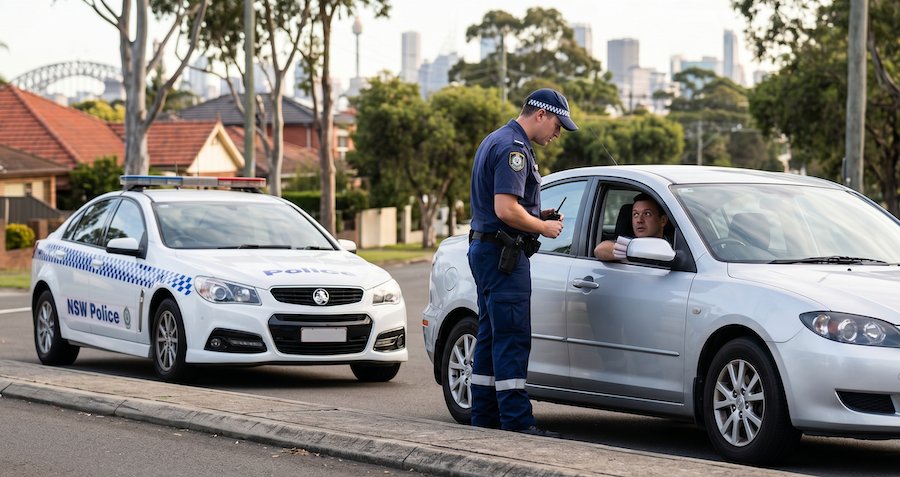
Traffic offences exist to improve road safety and reduce the risk of collisions. When drivers ignore speed limits, use mobile phones behind the wheel, or fail to follow road signs, the risk to everyone on the road increases.
The Financial Cost of Traffic Offences
The true cost of traffic offences often extends beyond the initial fine. Drivers may also face increased insurance premiums, licence suspensions, legal expenses, and restrictions that affect work and daily life.
How Demerit Points Affect Your Licence
Many driving offences attract demerit points in addition to financial penalties. Drivers often lose their licences because of multiple smaller offences rather than a single major incident.
Demerit points are a road safety measure used by Australian licensing authorities to encourage responsible driving behaviour. When a driver commits certain traffic offences, a specified number of demerit points is recorded against their licence. More serious offences generally attract a higher number of points.
Below are key things drivers should know about demerit points:
- More serious traffic offences attract a higher number of demerit points.
- Demerit points remain on your driving record for a set period.
- Points accumulate over time from multiple offences.
- Exceeding your demerit point limit can lead to licence suspension or restrictions.
- Common offences that attract demerit points include speeding, mobile phone use, seatbelt offences, red-light offences, and failing to give way.
- Multiple minor infringements can often result in licence suspension faster than drivers expect.
Demerit points should be viewed as more than an additional penalty. They are designed to identify drivers who repeatedly break road rules and may pose a greater risk to themselves and other road users.
The Road Safety Impact of Driver Behaviour
Many crashes are linked to behaviours that could have been avoided. Distraction, speeding, alcohol impairment, drug impairment, and failing to obey traffic signals continue to contribute to accidents across Australia.
| Consequence of Driving Offences | Potential Impact |
|---|---|
| Fines | Immediate financial penalty |
| Demerit Points | Increased risk of licence suspension |
| Insurance Costs | Higher premiums after offences |
| Licence Suspension | Loss of driving privileges |
| Court Proceedings | Possible legal consequences for serious traffic offences |
Speeding Offences
One of Australia’s most common driving offences, and continues to be a major contributor to road accidents, is speeding. Even small increases in speed can reduce reaction times and increase stopping distances.
Many drivers do not intentionally speed. However, failing to notice a change in speed limit or driving too fast for conditions can still result in penalties.
Potential Penalties for Speeding
Speeding penalties in New South Wales increase depending on how far a driver exceeds the speed limit. Penalties come in both fines and demerit points, depending on how much the speed limit was exceeded.
| Speed Exceeded By | Demerit Points | Potential Fines |
|---|---|---|
| Up to 10 km/h | 1 point | $137 fine |
| More than 10 km/h up to 20 km/h | 3 points | $316 fine |
| More than 20 km/h up to 30 km/h | 4 points | $542 fine |
| More than 30 km/h up to 45 km/h | 5 points | $1,036 |
| More than 45 km/h | 6 points | $2,794 |
Because speeding remains one of the most common driving offences in NSW, authorities continue to prioritise enforcement through fixed speed cameras, mobile speed cameras, average speed cameras, and police patrols across metropolitan and regional areas.
Mobile Phone Offences
Using a mobile phone is a common violation for drivers. Mobile phone detection cameras have significantly increased enforcement, particularly for traffic offences in NSW.
Even a brief glance at a phone can take a driver’s attention away from the road long enough for conditions to change dramatically.
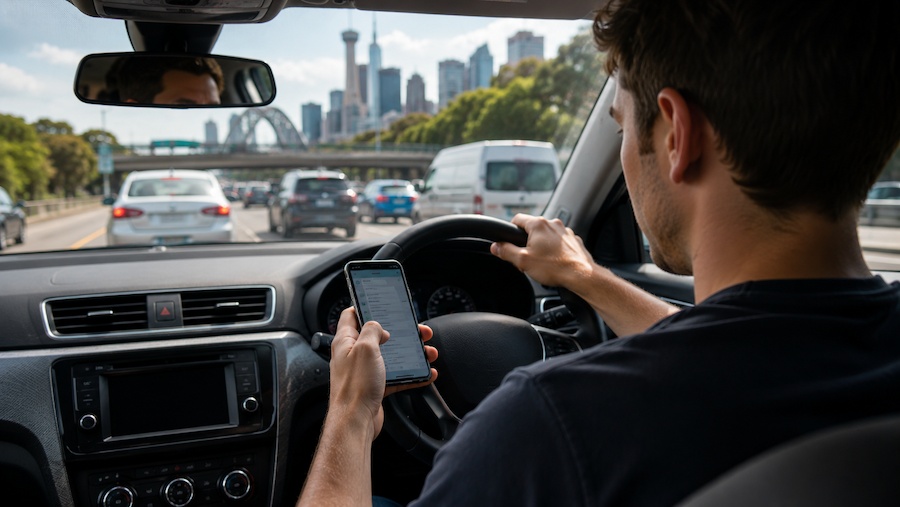
What Counts as Illegal Mobile Phone Use?
Mobile phone offences extend beyond texting while driving. Drivers can commit offences by holding a phone, browsing social media, watching videos, using apps, or interacting with a device in a way that does not comply with hands-free requirements.
How Mobile Phone Detection Cameras Work
Mobile phone detection cameras can identify drivers holding or touching phones while driving. These systems operate day and night and have contributed to a significant increase in detected traffic violations.
Why Distracted Driving Is So Dangerous
Using a mobile phone affects reaction times, hazard perception, vehicle control, and overall awareness. This is one reason these driving offences attract significant traffic offences and penalties throughout Australia.
Drink Driving Offences
Drink driving remains one of the most serious traffic offences on Australian roads. Alcohol affects judgment, coordination, concentration, and reaction times, increasing the likelihood of a crash.
Despite ongoing education campaigns and enforcement efforts, drink driving continues to contribute to injuries and fatalities each year.
Australian Blood Alcohol Concentration (BAC) Limits
Australia uses Blood Alcohol Concentration (BAC) limits to determine whether a driver is legally allowed to drive after consuming alcohol. Different licence holders may be subject to different limits, and police regularly conduct roadside breath testing to enforce these laws.
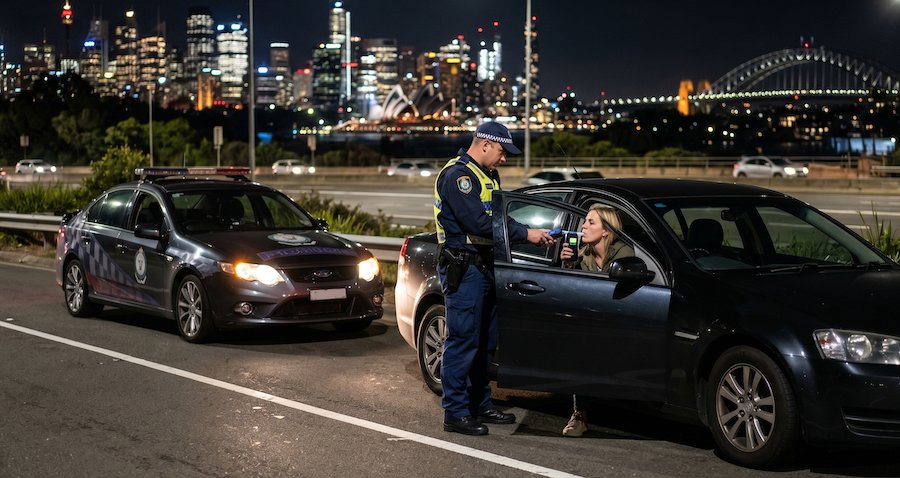
Common Drink Driving Scenarios
Many drink-driving offences occur because drivers underestimate the effects of alcohol. Some assume enough time has passed since drinking, while others misjudge how much alcohol they have consumed.
Penalties for Drink Driving
Drink driving penalties may include significant fines, licence suspension, licence disqualification, court appearances, alcohol interlock programs, and criminal convictions in serious cases. Road Sense Australia shares that the gravity of the penalty depends on many factors.
Because drink driving is considered one of the most serious traffic offences, authorities and courts treat these matters very seriously.
Drug Driving Offences
Drug driving has become a major focus for road safety authorities across Australia. Like alcohol impairment, drugs can significantly reduce a driver’s ability to operate a vehicle safely.
Many motorists incorrectly assume drug driving only relates to illegal substances. Some prescription medications may also affect driving ability and increase crash risk.
How Drug Driving Laws Work in Australia
Drug driving offences generally involve driving while impaired by drugs or driving with certain prohibited substances detected during roadside testing.
Police conduct roadside testing throughout Australia as part of ongoing road safety operations.
Roadside Drug Testing Explained
Roadside mobile drug testing typically involves the collection of a saliva sample. Testing programs target substances commonly associated with impaired driving and are designed to improve road safety.
Penalties for Drug Driving in NSW
Drug driving offences in New South Wales can result in substantial fines, licence disqualifications, and even imprisonment. Penalties vary depending on whether the offence relates to the presence of a prohibited drug in a driver’s system or driving while impaired by drugs.
Presence-based offences can apply if police detect active THC (cannabis), methylamphetamine, MDMA, cocaine, or morphine (unless lawfully prescribed for medical purposes) in a driver’s oral fluid, blood, or urine.
| Presence-Based Drug Driving Offence | First Offence | Second or Subsequent Offence |
|---|---|---|
| Penalty Notice Fine | $704 | Court attendance required |
| Maximum Court Fine | $2,200 | $3,300 |
| Minimum Disqualification | 3 months | 6 months |
| Automatic Disqualification | 6 months | 12 months |
| Maximum Disqualification | 6 months | Unlimited |
A separate offence applies where police believe a driver’s ability to control a vehicle is impaired by drugs. This can include illegal drugs, prescription medications, or over-the-counter medicines.
| Drug Driving (DUI) Offence | First Offence | Second or Subsequent Offence |
|---|---|---|
| Maximum Court Fine | $3,300 | $5,500 |
| Maximum Prison Term | 18 months | 2 years |
| Minimum Disqualification | 12 months | 2 years |
| Automatic Disqualification | 3 years | 5 years |
| Maximum Disqualification | Unlimited | Unlimited |
Because drug driving is considered one of the more serious traffic offences in NSW, penalties increase significantly for repeat offenders. Drivers should also be aware that certain prescription and over-the-counter medications can affect their ability to drive safely and may lead to serious legal consequences if impairment is detected.
Red Light and Traffic Signal Offences
Intersections are among the most dangerous locations on Australian roads. As a result, red-light offences remain a major enforcement priority.
Failing to obey traffic signals places drivers, passengers, cyclists, and pedestrians at risk of serious injury.
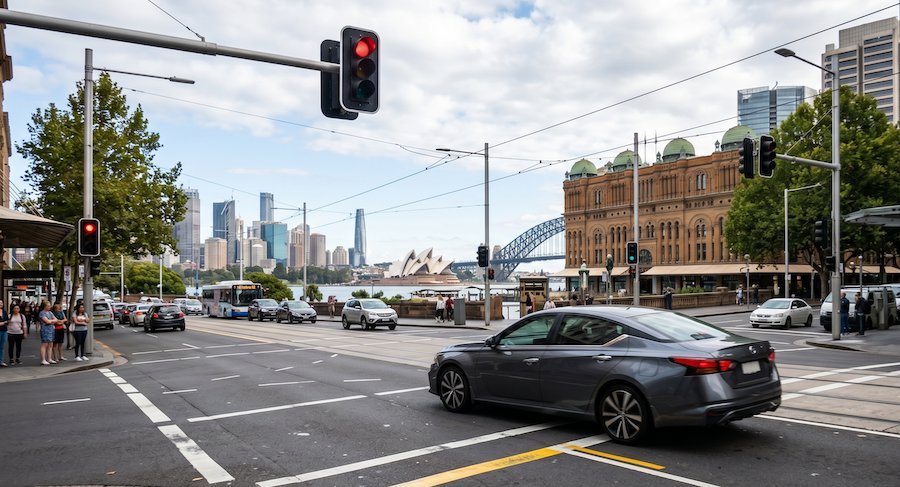
Common Red-Light Violations
Common driving offences involving traffic signals include driving through a red light, failing to stop at a red arrow, and entering an intersection after signals have changed.
How Red-Light Cameras Detect Offences
Red-light cameras are widely used throughout Australia and can detect vehicles entering intersections unlawfully. Many NSW traffic offences involving intersections are identified through camera enforcement.
Risks Associated With Running Red Lights
Red-light offences significantly increase the risk of side-impact collisions, pedestrian injuries, and multi-vehicle crashes. Many of these incidents require emergency services and vehicle recovery assistance.
Seatbelt and Child Restraint Offences
Seatbelts remain one of the most effective vehicle safety features. They significantly reduce the risk of serious injury during a collision, which is why Australian authorities continue to enforce these laws strictly.
Despite strong public awareness, seatbelt-related driving offences remain common.
Seatbelt Laws Every Australian Driver Should Know
Drivers and passengers are generally required to wear seatbelts whenever travelling in a vehicle. Drivers also have responsibilities regarding children and passenger restraint compliance.
Common Seatbelt and Passenger Restraint Mistakes
Common issues include not wearing a seatbelt, wearing it incorrectly, carrying unrestrained passengers, and failing to use appropriate child restraints.
Child Restraint Requirements
Child restraint laws are designed to protect younger passengers. Incorrect installation, unsuitable restraint types, and improper use can all result in penalties and increase safety risks.
Parking and Stopping Offences
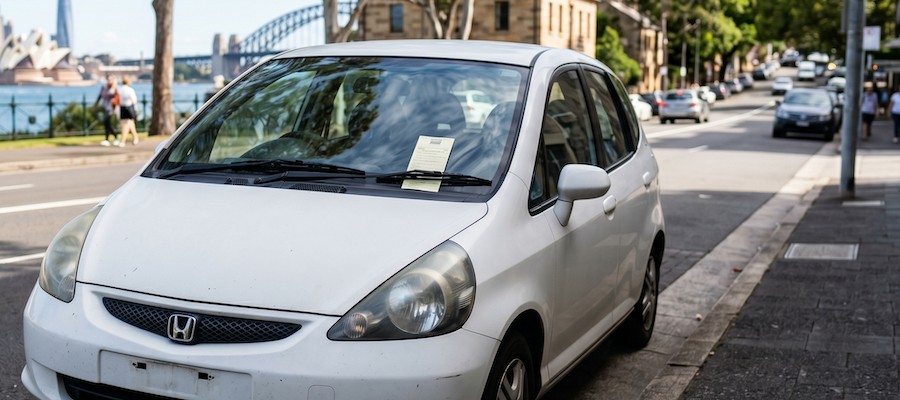
Parking offences are among the most frequently issued traffic offences across Australia. In busy areas such as Sydney, parking restrictions are heavily enforced to improve traffic flow and public safety.
Many drivers receive penalties simply because they misunderstand local parking regulations.
The Most Common Parking Fines in Australia
Common parking-related driving offences include parking in no-stopping zones, clearways, loading zones, accessible parking spaces without authorisation, and exceeding time limits in regulated parking areas.
Areas Where Drivers Commonly Receive Penalties
Drivers are most likely to receive parking fines in CBD areas, school zones, shopping precincts, transport hubs, and residential permit zones.
Tips for Avoiding Parking Infringements
Reading parking signs carefully, checking restrictions before leaving your vehicle, and monitoring time limits can help avoid unnecessary traffic offences and penalties.
Unlicensed, Suspended, and Unregistered Driving
Some of the most costly driving offences involve licence and registration issues. While these offences do not always involve dangerous driving behaviour, authorities treat them seriously because they affect legal compliance and road safety obligations.
Many drivers only discover a problem with their licence or registration after being stopped by police or receiving an infringement notice.
Driving an Unregistered Vehicle
Vehicle registration is a legal requirement throughout Australia. Failing to maintain registration can lead to penalties even if the vehicle is otherwise roadworthy.
Common registration issues include expired registration, missed renewal dates, deregistered vehicles, and incorrect ownership transfers after purchasing a vehicle.
Licence and Registration Responsibilities
Every driver is responsible for ensuring their licence and vehicle registration remain current.
Regularly checking licence expiry dates, registration renewal notices, and vehicle details can help prevent avoidable driving offences in NSW and reduce the risk of unnecessary penalties.
Tips to Avoid Common Driving Offences
Most traffic offences are preventable. Developing safe driving habits and maintaining awareness behind the wheel can significantly reduce your risk of receiving fines, demerit points, and licence suspensions.
- Stay focused and eliminate distractions by keeping your phone out of reach, setting navigation before driving, and avoiding activities that take your attention away from the road.
- Follow speed limits and road signs by paying attention to changing speed zones, school zones, roadwork areas, and traffic controls.
- Plan ahead before driving and allow extra travel time to reduce the temptation to speed or make unsafe driving decisions.
- Keep your licence and registration current by regularly checking expiry dates, renewal notices, and vehicle registration details.
- Practise defensive driving habits by maintaining safe following distances, anticipating hazards, and remaining alert to changing road conditions.
Frequently Asked Questions
The most common driving offences include speeding, mobile phone use while driving, drink driving, drug driving, red-light offences, parking infringements, seatbelt offences, and failing to give way.
Yes. While individual infringements may appear minor, repeated traffic offences can accumulate enough demerit points to result in licence suspension.
Serious traffic offences generally include drink driving, drug driving, dangerous driving, driving while disqualified, and other offences that create significant risks to public safety.
Drivers can reduce their risk by following road rules, avoiding distractions, obeying speed limits, maintaining valid registration and licences, and practising safe driving habits.
Putting Road Safety First
Driving offences affect Australian motorists through fines, demerit points, and licence suspensions. Many traffic offences and penalties are avoidable through a better understanding of road rules and consistent driving habits. Staying focused, observing speed limits, maintaining valid registration, and following traffic controls can significantly reduce the risk of penalties and improve safety for all road users.
When out on the road, being prepared is essential to being a responsible driver. Having a reliable towing company on speed dial should be mandatory. If ever you need a tow in Sydney, we provide professional towing and roadside assistance services 24/7 to help get you and your vehicle to safety.