A flat tyre can happen without warning, leaving you stranded at the side of the road. Knowing how to change a tyre safely can help you get moving again and reduce the stress of an unexpected breakdown.
While a tyre change is a useful skill, safety should always come first. If traffic conditions, weather, or the location make roadside repairs unsafe, contact roadside assistance instead.

Before You Change A Tyre
- Knowing how to change a tyre can help you safely deal with a puncture and get back on the road.
- Before starting a tyre change, move your vehicle to a safe location and turn on your hazard lights.
- Most vehicles require a spare tyre, jack, wheel brace, and wheel chocks to complete the process.
- Loosen the wheel nuts before raising the vehicle with the jack.
- Install the spare tyre, lower the vehicle, and tighten the wheel nuts in a criss-cross pattern.
- Space saver tyres are intended for temporary use and have speed and distance restrictions.
- If conditions are unsafe, contact roadside assistance instead.
- Regular tyre maintenance can reduce the risk of punctures and extend tyre life.
How to Change a Tyre
Learning how to change a tyre on a car is a practical skill that every driver should understand. Most vehicles come equipped with a spare wheel, jack, and wheel brace, allowing you to perform an emergency tyre change when needed.
Before starting, consult your owner’s manual for the correct jacking points and any instructions relating to your spare tyre. Vehicle manufacturers may have different requirements depending on the model.

Tools Required to Change a Tyre
Having the right equipment makes the process safer and easier. Most of the items below are supplied with the vehicle or can be stored in the boot for emergencies.
| Tool | Purpose |
|---|---|
| Spare tyre | Replaces the damaged tyre |
| Jack | Raises the vehicle off the ground |
| Lug wrench or wheel brace | Loosens and tightens wheel nuts |
| Vehicle owner’s manual | Identifies correct jacking points |
| Wheel chocks | Prevent vehicle movement |
| Torch | Improves visibility at night |
| Gloves | Protects your hands during the tyre change |
| High-visibility vest | Improves visibility to other motorists |
Steps to Change a Car Tyre
Following the correct sequence makes a tyre change easier and helps avoid common mistakes. Take your time and complete each step carefully.
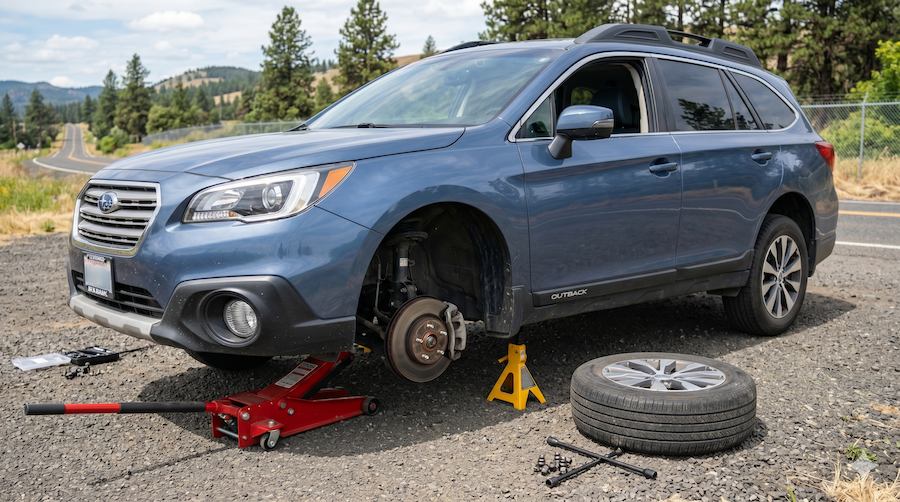
1. Find a Safe Location
Reduce speed gradually and move the vehicle to a safe location away from traffic. A level surface provides the most stable foundation for the jack.
2. Turn On Your Hazard Lights
Hazard lights alert approaching motorists that your vehicle is stopped and help improve visibility during poor weather or low-light conditions.
3. Secure the Vehicle
Apply the handbrake firmly and place the transmission in Park or first gear. Position wheel chocks behind the wheels, remaining on the ground if available.
4. Remove the Wheel Cover
If your vehicle has a wheel cover or hubcap, remove it carefully to expose the wheel nuts.
5. Loosen the Wheel Nuts
Use the wheel brace to loosen each wheel nut by about a quarter turn. Do not remove them completely before lifting the vehicle.
6. Position the Jack
Locate the correct jack lifting point identified in your owner’s manual. Raise the vehicle until the flat tyre is clear of the ground.
7. Remove the Wheel Nuts and Tyre
Remove the wheel nuts completely and place them somewhere safe. Pull the flat tyre straight off the wheel studs.
8. Install the Spare Tyre
Align the spare wheel with the wheel studs and push it firmly into position. Hand-tighten the wheel nuts until the wheel is held securely.
9. Lower the Vehicle
Lower the vehicle slowly until the tyre contacts the ground. Remove the jack once the vehicle is fully supported.
10. Tighten the Wheel Nuts
Tighten the wheel nuts in a criss-cross pattern to help the wheel seat evenly against the hub.
11. Check the Spare Tyre
Inspect the spare tyre before driving away. If it appears damaged or underinflated, arrange for professional assistance.
Emergency Spares
Many vehicles use a temporary spare tyre, commonly called a space saver tyre, that has a shorter lifespan than regular tyres. These tyres are designed to help you continue your journey until a permanent repair can be arranged.
Different spare tyre types have different limitations. Understanding those differences can help you drive more safely after a tyre change.
| Spare Tyre Type | Intended Use |
|---|---|
| Full-size spare | Can generally be used like a standard tyre |
| Space saver spare | Temporary use only |
| Run-flat tyre | Allows limited driving after pressure loss, depending on manufacturer guidelines |
Always follow the manufacturer’s speed and distance recommendations when using a temporary spare. Driving beyond these limits can affect vehicle handling and increase tyre wear.
When Not to Change a Tyre Yourself
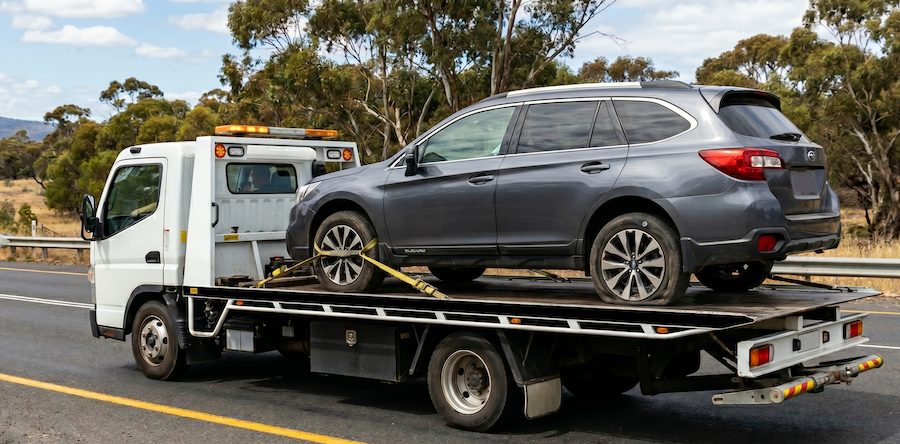
There are situations where attempting to change a tyre may create unnecessary risk. In these circumstances, professional assistance is often the safer option.
Busy motorways, poor weather conditions, steep inclines, and limited visibility can significantly increase the danger of a roadside tyre change.
- You are stopped on a busy motorway.
- The vehicle is on a steep incline.
- Visibility is poor.
- Severe weather is present.
- The spare tyre is damaged.
- You cannot safely position the jack.
Common Mistakes and Troubleshooting
Even a straightforward tyre change can become difficult if unexpected problems arise. Understanding common issues can help you respond safely and avoid causing further damage.
The table below outlines several common problems and practical solutions.
| Problem | What to Do |
|---|---|
| Wheel nuts won’t loosen | Apply steady pressure and ensure the wrench is seated correctly |
| Spare tyre is flat | Contact roadside assistance |
| Jack won’t fit under vehicle | Consult the owner’s manual or seek assistance |
| Wheel stuck to hub | Apply gentle force to the sidewall after removing wheel nuts |
Another common mistake is tightening wheel nuts unevenly. Always tighten them in a criss-cross pattern to help ensure the wheel seats correctly.
Maintaining Your Tyres
Regular tyre maintenance can reduce the likelihood that you will need to change a tyre unexpectedly. It also improves vehicle safety, braking performance, fuel efficiency, and tyre lifespan.
Checking tyre pressure monthly, monitoring tread depth, rotating tyres according to manufacturer recommendations, and inspecting tyres for damage are all simple habits that can prevent many tyre-related problems. It is also worth checking the condition and pressure of your spare tyre every few months.
Frequently Asked Questions
Inspect your spare tyre every few months and before long trips. A spare tyre that has lost pressure may not be usable when needed.
Driving on a flat tyre can damage both the tyre and wheel. Stop as soon as it is safe to do so and inspect the tyre before continuing your journey.
The distance varies between manufacturers. Always follow the limits specified on the tyre and in your owner's manual.
Yes. Having wheel nut torque checked after driving a short distance is considered good practice and can help ensure the wheel remains properly secured.
Most drivers can change a tyre in 20 to 40 minutes, depending on experience, road conditions, and vehicle type. Taking extra time to follow safety procedures is always worthwhile.
Common causes include punctures from road debris, worn tread, pothole impacts, sidewall damage, valve stem leaks, and incorrect tyre pressure. Regular inspections can help identify issues before they lead to a breakdown.
Being Prepared Makes a Difference
Knowing how to change a tyre is an important skill that can help you handle a puncture safely and confidently. By following the correct process, using the right tools, and understanding the limitations of spare tyres, most drivers can complete a basic tyre change without difficulty.
If you cannot safely change a tyre, require roadside assistance, or need vehicle recovery, Fast Sydney Towing provides professional services for flat tyres, breakdowns, and emergency towing situations.