Road safety habits that can help prevent accidents include avoiding distractions, following road rules, maintaining safe distances, driving defensively, and adapting to changing conditions. While no driver can eliminate every risk, these habits can significantly reduce the likelihood of being involved in a collision.
Every day, Australian drivers encounter changing traffic conditions, poor weather, and unpredictable behaviour from other road users. Developing strong habits helps protect you, your passengers, and everyone around you.

What You’ll Learn
- Avoid distractions, especially mobile phone use, while driving.
- Follow Australian road safety rules and speed limits.
- Wear a seat belt on every trip.
- Never drive under the influence of alcohol, drugs, or fatigue.
- Maintain a safe following distance.
- Drive defensively and stay aware of hazards.
- Adjust your driving to the road and weather conditions.
- Share the road safely with other road users.
- Continue improving your driving skills and road safety awareness.
Why Road Safety Habits Matter
Road safety is about protecting lives and reducing preventable accidents. Many crashes occur because of driver behaviour rather than vehicle faults or unavoidable circumstances.
While studying in driving school, drivers are taught the proper road safety habits, but many tend to forget. Distraction, speeding, fatigue, and poor judgment remain some of the most common causes of accidents. By developing safer habits and following regulations, drivers can improve road traffic safety and help create safer roads for everyone.
Road safety in Australia relies on all road users making responsible decisions every time they get behind the wheel.
Common Causes of Preventable Road Accidents in Australia
Many road accidents can be linked to a handful of common causes.
| Common Cause | How It Increases Risk |
|---|---|
| Mobile phone use | Reduces attention and reaction time |
| Speeding | Increases stopping distance and crash severity |
| Fatigue | Affects concentration and judgement |
| Tailgating | Leaves less time to respond to hazards |
| Driving under the influence | Impairs decision-making and vehicle control |
| Poor weather adaptation | Reduces traction and visibility |
Understanding these risks is a key part of road safety awareness. The more drivers understand why accidents happen, the better equipped they are to prevent them.
Stay Focused and Avoid Distractions
Maintaining concentration while driving is one of the most important aspects of road safety. Even a brief distraction can prevent a driver from identifying a hazard in time to respond safely.
Modern vehicles contain more technology than ever before, but every distraction increases the risk of mistakes. Improving focus behind the wheel remains one of the simplest ways to support road traffic safety.

Put Your Phone Away While Driving
Mobile phones remain one of the biggest threats in Australia. Texting, checking notifications, browsing social media, or making calls can significantly reduce your ability to monitor traffic and react to changing conditions.
Before beginning your journey, set your navigation, select your music, and silence unnecessary notifications. This simple preparation helps minimise distractions and allows you to focus on driving.
Even a quick glance at a mobile phone can have serious consequences. At suburban speeds, a vehicle can travel a considerable distance while a driver’s attention is diverted. During that time, traffic conditions can change, pedestrians may enter crossings, or vehicles ahead may brake unexpectedly.
Road safety education campaigns across Australia continue to highlight distracted driving because it remains a major contributor to preventable accidents.
Minimise In-Car Distractions
Distractions are not limited to mobile phones. Eating, drinking, adjusting controls, searching for items, or turning around to speak with passengers can also divert your attention from the road.
Preparing your vehicle before departure can help reduce these risks. Adjust mirrors, organise belongings, and set climate controls before moving off. These small habits contribute to improved concentration.
Follow Australian Road Rules
Road safety regulations create consistency and predictability on Australian roads. When drivers follow them, it becomes easier for everyone to anticipate traffic movements and avoid dangerous situations.
Understanding road safety rules is important, but applying them consistently is what makes the greatest difference.
Obey Speed Limits
Speed limits are designed to reflect road conditions, traffic volumes, and surrounding hazards. Driving above the speed limit reduces reaction time and increases stopping distances.
Road safety also requires drivers to adjust their speed when conditions change. Rain, fog, heavy traffic, roadworks, and school zones may all require slower speeds, even when the posted limit remains unchanged.
Driving at an appropriate speed gives you more time to identify hazards and respond safely.
Follow Road Signs and Traffic Signals
Road signs and traffic signals provide essential information that helps keep traffic moving safely and efficiently.
- Obey traffic lights.
- Follow lane markings.
- Observe the give way requirements.
- Respect school zones.
- Follow temporary traffic management directions.
These road safety rules help create predictable traffic behaviour and improve safety for all road users.
Wear Your Seat Belt Every Trip
Seat belts are one of the simplest and most effective safety features available in any vehicle. They play a critical role in road safety by helping reduce injuries during sudden braking, collisions, and rollovers.
Although wearing a seat belt is required under Australian road safety regulations, its value goes far beyond legal compliance. A properly worn seat belt helps keep occupants securely positioned and reduces the risk of serious injury during a crash.
Seat belts work alongside airbags and other vehicle safety systems to provide protection during an accident. Road safety education programs consistently promote seat belt use because it remains one of the most effective ways to improve occupant safety.
Before every journey, ensure all occupants are properly restrained and that child restraints are fitted correctly.
Never Drive Impaired
Driving safely requires concentration, awareness, and sound judgment. Anything that affects these abilities can increase the risk of an accident.
One of the most important road safety rules is never driving while impaired. This includes alcohol, drugs, fatigue, and certain medications that may affect alertness or reaction times.
The Dangers of Alcohol and Drug Driving
Alcohol and drugs can affect a driver’s ability to:
| Driving Ability | Potential Impact |
|---|---|
| Reaction time | Slower responses to hazards |
| Judgement | Poor decision-making |
| Concentration | Reduced awareness of surroundings |
| Coordination | Less vehicle control |
| Hazard perception | Increased risk of missing dangers |
According to the Judicial Commission of NSW, drink driving was a factor in 18% of all fatal crashes in 2025. Road safety awareness campaigns have helped reduce impaired driving across Australia, but it remains a major contributor to serious accidents.
If you plan to consume alcohol or drugs, arrange alternative transport before travelling. Making safe choices before a journey begins is one of the most effective road safety measures available.
Be Aware of Medication Side Effects
Some prescription and over-the-counter medications can affect driving ability. Check labels and seek professional advice before driving if a medication may cause:
- Drowsiness
- Dizziness
- Blurred vision
- Reduced concentration
Road safety advice from health professionals often emphasises understanding how medications may affect your ability to operate a vehicle safely.
Why Fatigue Can Be Just as Dangerous
Fatigue can have a serious impact on driving performance. Tired drivers often experience slower reaction times, reduced concentration, and poor decision-making.
A microsleep may last only a few seconds, but at highway speeds a vehicle can travel a considerable distance during that time. Drivers can reduce fatigue-related risks by getting adequate rest before travelling, taking regular breaks on long trips, and avoiding driving when they feel tired.
Road safety education frequently highlights fatigue because its effects can resemble those associated with alcohol impairment.
Maintain a Safe Following Distance
Maintaining a safe following distance is one of the most practical road safety habits drivers can adopt. It provides more time to react to changing traffic conditions and reduces the likelihood of rear-end collisions.
Many drivers underestimate how quickly traffic conditions can change. Leaving adequate space between vehicles helps create a safety buffer that can prevent minor situations from becoming serious accidents.

Why Following Distance Matters
Maintaining a safe following distance helps drivers:
- React to sudden braking.
- Identify hazards earlier.
- Stop more safely.
- Reduce stress in traffic.
When vehicles are travelling at higher speeds, the distance required to stop safely increases significantly. This is why following distances should be adjusted according to speed and conditions.
Road traffic safety depends on drivers allowing sufficient space to respond to unexpected events.
Increase Your Following Distance When Conditions Change
Road conditions are not always ideal. Drivers should leave additional space when:
- Roads are wet or slippery.
- Visibility is reduced.
- Traffic is heavy.
- Towing a trailer or caravan.
- Travelling on unfamiliar roads.
Adjusting following distances is one of the simplest road safety measures available and can significantly improve safety during challenging conditions.
Avoid Tailgating
Tailgating reduces reaction time and increases collision risks. When drivers follow too closely, they have less time to identify hazards, assess traffic conditions, and brake safely.
Following road safety rules regarding vehicle spacing helps create a safer and more predictable driving environment.
Drive Defensively
Defensive driving involves anticipating potential hazards and preparing for situations before they develop into emergencies.
Road safety is not only about controlling your own vehicle. It also involves recognising that other road users may make mistakes. Defensive driving helps reduce risks by allowing drivers to identify and respond to these situations earlier.
Stay Aware of Your Surroundings
Situational awareness is a key component of road safety. Drivers should regularly monitor traffic ahead, vehicles in neighbouring lanes, approaching traffic, pedestrians, cyclists, motorcyclists, and potential roadside hazards.
Checking mirrors regularly and performing blind spot checks before changing lanes or merging helps improve awareness and reduce accident risks.
Road safety advice consistently highlights awareness because many accidents occur when drivers fail to recognise developing hazards.
Anticipate Potential Hazards
Defensive drivers look beyond the vehicle directly in front of them. They actively scan the road ahead and assess what could happen next.
Potential hazards may include vehicles entering traffic unexpectedly, sudden braking, pedestrians approaching crossings, or temporary changes caused by roadworks.
Recognising these situations early provides valuable time to make safe decisions. Road safety awareness is not simply about reacting to dangers. It is about identifying risks before they become immediate threats.
Expect Mistakes From Other Road Users
Even experienced drivers occasionally make mistakes. Other motorists may fail to indicate, misjudge gaps in traffic, become distracted, or overlook road signs.
Defensive driving means allowing enough space and maintaining enough awareness to respond safely when these situations occur. By expecting the unexpected, drivers can improve road traffic safety and reduce the likelihood of becoming involved in avoidable accidents.
Adjust to Road and Weather Conditions
Road conditions can change quickly, and safe drivers adjust their behaviour accordingly. While speed limits and road safety regulations provide a framework for safe driving, drivers must also account for weather, visibility, traffic conditions, and road surface quality.
Adapting to changing conditions is an important part of road safety and can help reduce accident risks throughout the year.

Drive to the Conditions
Rain, fog, strong winds, and reduced visibility can all affect vehicle control. In these situations, drivers should reduce their speed, increase following distances, and allow more time to react to hazards.
Wet roads can significantly increase stopping distances and reduce tyre grip. Even light rain may create slippery surfaces, particularly after extended dry periods.
Road safety measures such as slowing down and increasing vehicle spacing can make a significant difference during adverse conditions.
Take Extra Care at Night
Night driving presents additional challenges because visibility is reduced and hazards can be more difficult to detect.
Drivers should remain alert for pedestrians, cyclists, wildlife, parked vehicles, and road debris. Fatigue can also become a greater concern during evening and overnight travel.
Ensuring you are well rested before driving at night supports better road safety outcomes and reduces the risk of impaired judgment.
Be Prepared for Unexpected Conditions
Drivers may encounter roadworks, accidents, heavy congestion, flooded roads, or sudden weather changes during a journey.
Remaining flexible and adjusting your driving style accordingly can improve road safety in Australia and help you respond more effectively to changing circumstances. The ability to recognise and adapt to hazards is one of the most valuable skills a driver can develop.
Road Safety on Regional and Rural Roads
Drivers travelling outside metropolitan areas often face additional challenges. Higher speed limits, longer travel distances, wildlife activity, and reduced lighting can all increase accident risks.
When travelling on regional roads, drivers should remain alert, avoid driving while fatigued, and allow extra time for their journey. Maintaining concentration is particularly important on long stretches of road where hazards can appear with little warning.
Share the Road Safely
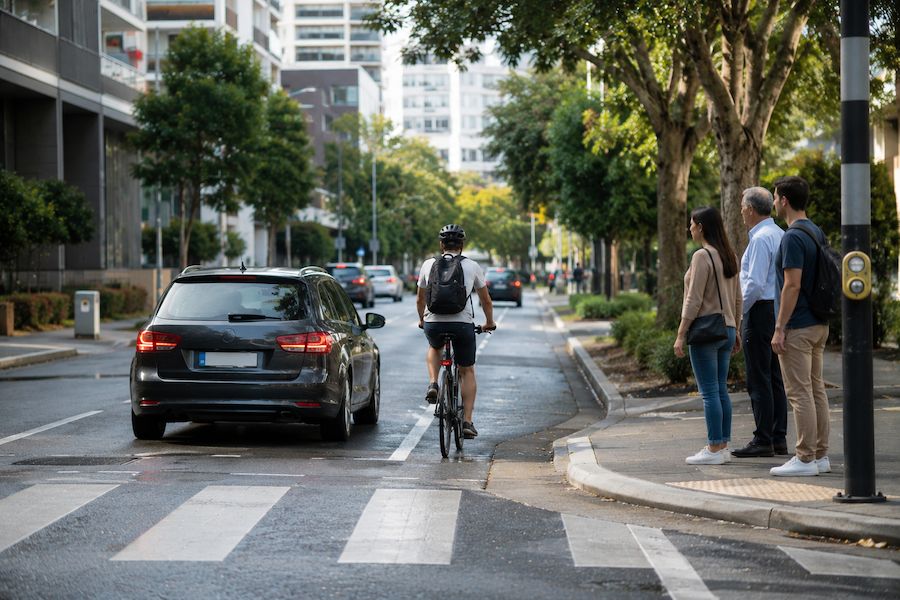
Road safety is a shared responsibility. Every road user, whether they are driving, riding, cycling, or walking, contributes to the overall safety of the transport network.
Understanding the needs and limitations of other road users can help reduce conflict and improve road traffic safety.
Respect Other Road Users
Cyclists and motorcyclists are more vulnerable because they have less protection than vehicle occupants. Pedestrians may be difficult to see in busy environments, while heavy vehicles require more space to stop and manoeuvre.
Drivers should provide adequate space, remain patient, and exercise caution when sharing the road. Following road safety road rules around overtaking, merging, and giving way helps create safer interactions between all road users.
Avoid Aggressive Driving
Aggressive driving increases accident risks and can contribute to poor decision-making.
Common examples include speeding, tailgating, unsafe lane changes, and reacting emotionally to traffic situations. Remaining calm behind the wheel improves concentration and supports safer driving decisions.
Road safety awareness includes recognising how emotions can influence behaviour and making a conscious effort to remain patient, particularly during heavy traffic and delays.
Continue Building Safe Driving Habits
Road safety is an ongoing commitment rather than a one-time achievement. Even experienced drivers can benefit from reviewing their habits and continuing to develop their skills.
Consistent practice and ongoing learning help drivers remain confident, capable, and prepared for changing conditions.

Improve Your Skills Through Experience
Experience helps drivers become more capable when it is combined with safe driving habits.
Drivers can continue improving by driving in a variety of conditions, developing hazard perception skills, staying informed about road safety regulations, reviewing updates to road rules, and participating in additional driver training when appropriate.
Road safety education plays an important role throughout a driver’s life, not just during the learner stage.
Make Safety Part of Every Journey
Many safety habits begin before the vehicle even starts moving.
Before every trip, take a moment to consider:
- Whether the vehicle is roadworthy.
- Current weather conditions.
- Your level of alertness.
- Route planning requirements.
- Passenger safety.
Making these checks part of your routine supports road safety awareness and helps reduce preventable risks.
Frequently Asked Questions
There is no single habit that prevents every accident, but avoiding distractions is one of the most important. Staying focused allows drivers to identify hazards, follow road safety rules, and respond appropriately to changing conditions.
Road safety in Australia helps protect drivers, passengers, cyclists, pedestrians, and other road users. Following road safety regulations and developing safe driving habits can significantly reduce accident risks and improve overall road traffic safety.
Drivers should reduce speed, increase following distances, use headlights when necessary, and allow more time to react to hazards. Adapting to conditions is one of the most effective road safety measures during poor weather.
Making Road Safety a Daily Habit
Road safety is built on consistent habits. Avoiding distractions, following road safety rules, maintaining safe distances, and driving defensively can significantly reduce the likelihood of accidents and help create safer roads for everyone.
Road safety in Australia relies on responsible decisions from every road user. By applying practical road safety advice, staying aware of changing conditions, and following established road safety regulations, drivers can reduce risks and improve safety for themselves and others.
At Fast Sydney Towing, we regularly assist drivers following accidents, breakdowns, and roadside emergencies across Sydney. While no one plans for vehicle trouble, having access to a reliable towing and roadside assistance provider can help when unexpected situations occur.