Improving fuel efficiency is one of the easiest ways to reduce vehicle running costs. Simple habits such as maintaining correct tyre pressure, driving smoothly, reducing unnecessary weight, and keeping your vehicle serviced can lower fuel consumption without requiring expensive modifications.
If you are wondering how to improve fuel efficiency, the answer usually comes down to a combination of vehicle maintenance and smarter driving habits. Small changes may seem insignificant on their own, but together they can make a noticeable difference over time.

Quick Fuel Efficiency Tips
- Maintain the correct tyre pressure.
- Remove unnecessary weight from your vehicle.
- Remove roof racks when not in use.
- Accelerate and brake smoothly.
- Maintain a steady speed.
- Use air conditioning efficiently.
- Service your vehicle regularly.
- Plan trips to avoid traffic where possible.
- Compare fuel prices before filling up.
- Reduce vehicle use when practical.
Why Fuel Efficiency Matters
Fuel efficiency affects more than just the amount you spend at the bowser. It can influence vehicle performance, reliability, driving range, and long-term ownership costs.
With the rise of fuel prices, learning how to increase fuel efficiency helps reduce expenses while also encouraging better vehicle maintenance habits. Many of the most effective fuel-saving techniques cost little or nothing to implement.
| Benefit | Why It Matters |
|---|---|
| Lower fuel costs | Less money spent on fuel throughout the year |
| Improved driving range | Travel further on each tank |
| Reduced wear and tear | Less strain on tyres, brakes, and engine components |
| Lower emissions | Reduced environmental impact |
| Better vehicle reliability | Well-maintained vehicles often perform more efficiently |
Maintain Correct Tyre Pressure
Tyre pressure is one of the most overlooked factors affecting fuel consumption. Even slightly under-inflated tyres can increase rolling resistance and force the engine to work harder.
For drivers researching how to improve car fuel efficiency, tyre pressure should be one of the first things checked because it can deliver immediate benefits.
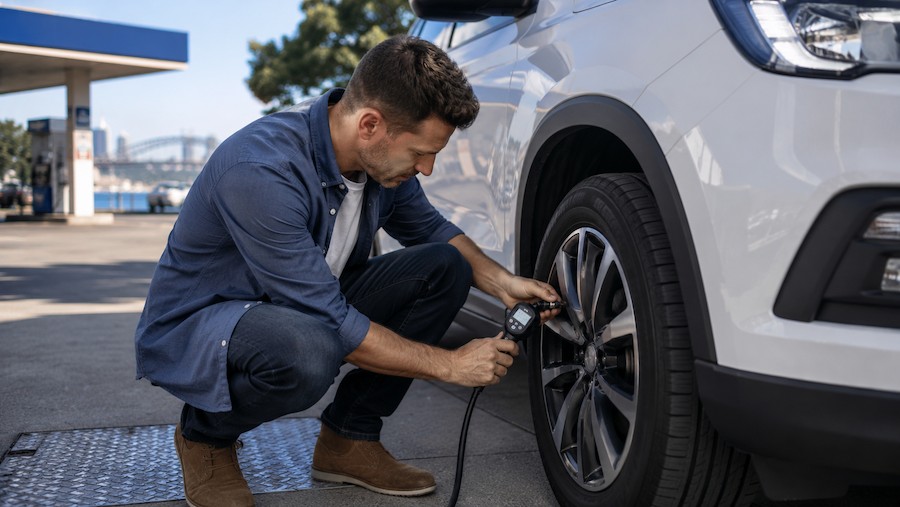
How Tyre Pressure Affects Fuel Consumption
When tyres contain less air than recommended, a larger section of the tyre contacts the road surface. This increases friction and requires more energy to keep the vehicle moving.
Over time, this additional resistance can lead to higher fuel consumption and increased tyre wear.
How to Check Your Tyre Pressure
Tyre pressure can be checked using a portable gauge or the air equipment available at most service stations. The most accurate readings are obtained when tyres are cold.
The recommended pressure can usually be found:
- Inside the driver’s door frame
- Inside the fuel filler flap
- In the vehicle owner’s manual
Other Benefits of Properly Inflated Tyres
Correct tyre pressure improves more than fuel economy. It also supports safer handling, better braking performance, and more even tyre wear.
Drivers looking for ways to improve fuel efficiency often discover that regular tyre checks provide multiple benefits beyond fuel savings.
Remove Unnecessary Weight From Your Vehicle
Many vehicles carry items that are rarely used. Sports equipment, tools, storage containers, and other heavy objects often remain in the boot for long periods without serving any purpose.
Reducing unnecessary weight is one of the simplest ways to improve fuel efficiency because every kilogram requires energy to move.
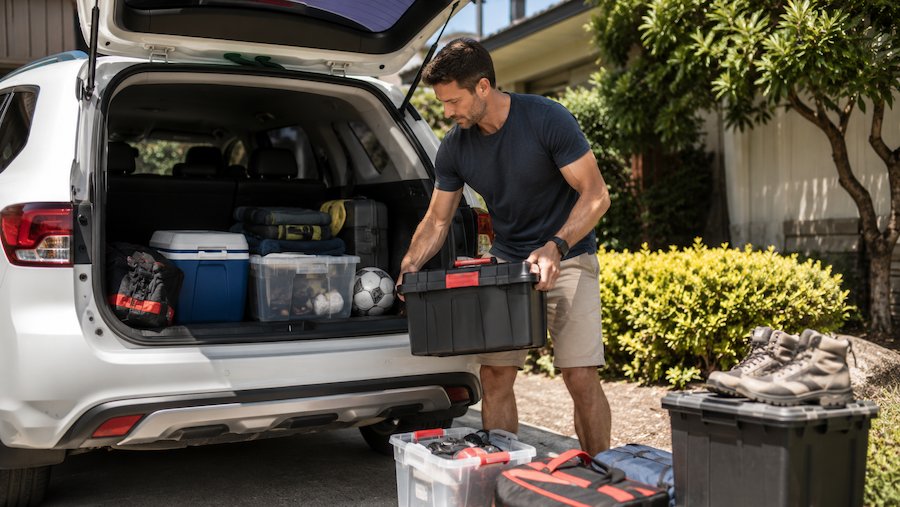
Why Extra Weight Uses More Fuel
The heavier a vehicle becomes, the harder the engine must work during acceleration and hill climbing. This increased workload leads to greater fuel consumption.
The effect may not be dramatic from a single item, but multiple heavy objects can contribute to increased fuel usage over time.
Common Sources of Unnecessary Weight
Items frequently left in vehicles include:
- Toolboxes
- Sports gear
- Camping equipment
- Storage tubs
- Unused vehicle parts
Removing unnecessary items can help improve fuel efficiency while also freeing up storage space.
Remove Roof Racks When Not Needed
Roof racks are useful when transporting equipment, but they can reduce fuel economy when left attached permanently.
Many drivers do not realise that roof racks affect the vehicle’s aerodynamics, particularly during highway driving.
How Roof Racks Affect Fuel Consumption
As speed increases, aerodynamic drag becomes a larger factor in fuel usage. Roof racks disrupt airflow around the vehicle and increase resistance.
This means the engine must work harder to maintain speed, resulting in higher fuel consumption.
Other Accessories That Affect Efficiency
Roof boxes, bicycle carriers, and large roof-mounted storage systems can also increase drag. Removing them when not needed can help improve fuel efficiency, especially during long-distance travel.
Accelerate and Brake Smoothly
Driving style plays a major role in fuel consumption. Aggressive acceleration and heavy braking often waste fuel that could otherwise be conserved.
One of the most effective ways to improve fuel efficiency is to drive more smoothly and anticipate traffic conditions.
Why Aggressive Driving Uses More Fuel
Rapid acceleration requires the engine to generate more power, which increases fuel usage. Frequent braking then wastes the energy that was used to build speed.
Drivers who focus on smoother inputs often notice improvements in fuel economy without making any changes to their vehicle.
Anticipate Traffic Conditions
Looking ahead and planning your movements can reduce unnecessary braking and acceleration.
Allowing the vehicle to slow naturally when approaching traffic lights or congestion often uses less fuel than maintaining speed and braking heavily at the last moment.
Maintain a Steady Speed
Constant speed changes force the engine to work harder and consume more fuel. Maintaining a steady speed helps improve efficiency, particularly during longer journeys.
For drivers exploring how to improve fuel efficiency, reducing unnecessary speed fluctuations can make a meaningful difference.
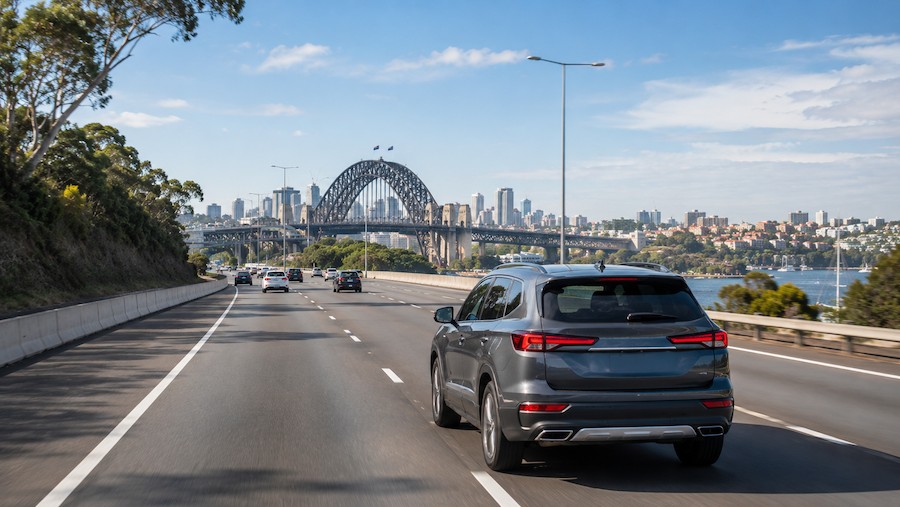
Using Cruise Control
Cruise control can help maintain a consistent speed on suitable roads. This reduces unnecessary acceleration and can support better fuel economy on highways.
How Speed Influences Fuel Consumption
Higher speeds generally result in greater aerodynamic drag. As a result, fuel consumption often increases as speed rises.
Maintaining a sensible, legal speed is one of the easiest ways to improve fuel efficiency during highway driving.
Use Air Conditioning Efficiently
Air conditioning contributes to fuel consumption, but avoiding it completely is not always the most efficient solution.
The impact depends largely on vehicle speed and driving conditions.
Air Conditioning Versus Open Windows
At lower speeds, driving with the windows open may use less fuel than running the air conditioner. At higher speeds, open windows can increase aerodynamic drag and reduce efficiency.
Choosing the right approach for the driving conditions can help improve fuel efficiency while maintaining comfort.
Reducing Air Conditioning Demand
Parking in shaded areas, using sunshades, and allowing hot air to escape before turning on the air conditioner can reduce the workload on the system.
These small habits can contribute to lower fuel consumption over time.
Keep Your Vehicle Properly Maintained
A vehicle that is not maintained correctly may use more fuel than necessary. Mechanical issues, worn components, and overdue servicing can all affect efficiency.
Regular proper maintenance remains one of the most reliable ways to improve fuel efficiency and prevent breakdowns over the life of a vehicle.
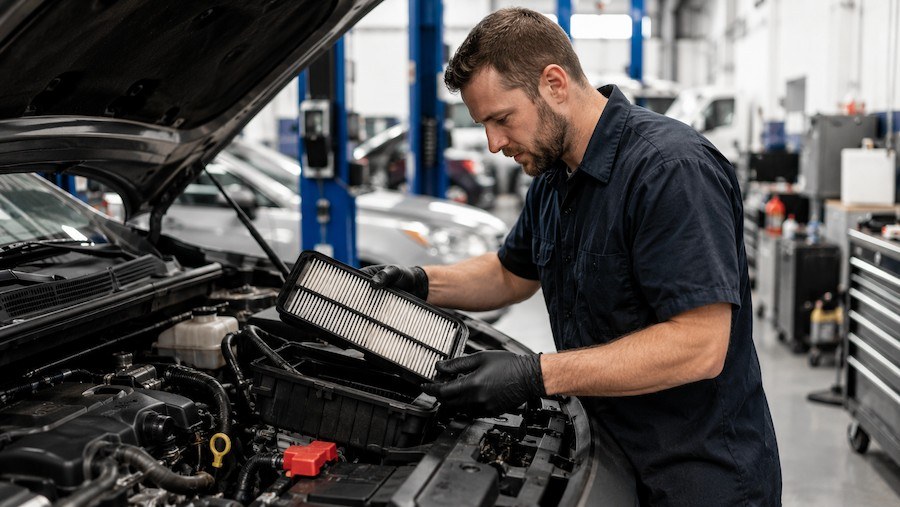
Components That Affect Fuel Economy
| Component | Potential Impact on Fuel Consumption |
|---|---|
| Air filter | Restricted airflow can reduce engine efficiency |
| Spark plugs | Poor combustion can increase fuel use |
| Tyres | Incorrect pressure increases rolling resistance |
| Fuel injectors | Poor fuel delivery affects performance |
| Engine sensors | Incorrect readings can increase consumption |
Address Problems Early
Reduced performance, warning lights, rough idling, or unusually high fuel usage should be investigated promptly.
Addressing problems early may help improve fuel efficiency and prevent more expensive repairs later.
Plan Trips More Efficiently
Trip planning can have a significant impact on fuel consumption. Driving in heavy traffic or making multiple short journeys often uses more fuel than necessary.
A little planning can reduce both travel time and fuel costs.
Combine Multiple Errands
Completing several tasks during a single journey reduces the number of cold engine starts and overall kilometres travelled.
This can help improve fuel efficiency while saving time.
Avoid Heavy Traffic
Stop-start driving is one of the least fuel-efficient conditions for most vehicles. Travelling outside peak periods or using navigation tools to avoid congestion can reduce unnecessary fuel consumption.
Buy Fuel Smarter
Fuel prices can vary significantly between service stations. While this does not directly affect vehicle efficiency, it can reduce overall running costs. There are now many sources that help with checking fuel prices across Sydney, to help you find the best and most affordable option.
Combining smart fuel purchasing with good driving habits often delivers the greatest savings.
Compare Prices Before Filling Up
Fuel price apps and comparison websites make it easier to identify lower-priced service stations nearby.
Monitoring local fuel price cycles may also help you avoid buying fuel when prices are at their highest.
Take Advantage of Discounts
Loyalty programs and supermarket fuel discounts can provide additional savings throughout the year.
These discounts may not improve fuel efficiency directly, but they can lower the overall cost of vehicle ownership.
Reduce Car Use Where Practical
Using your vehicle less frequently is one of the most effective ways to reduce fuel consumption.
While not every trip can be replaced, some journeys may be suitable for alternative transport options.
Alternative Transport Options
Walking, cycling, public transport, and carpooling can all reduce fuel usage while helping lower overall vehicle operating costs.
For households looking at additional ways to improve fuel efficiency, reducing unnecessary driving can have a substantial impact.
Common Fuel Efficiency Mistakes Drivers Make
Many drivers unknowingly adopt habits that increase fuel consumption. Correcting these mistakes can often deliver immediate improvements.
Ignoring tyre pressure, delaying servicing, carrying unnecessary weight, excessive idling, and aggressive driving are among the most common causes of avoidable fuel use.
Understanding how to increase fuel efficiency often begins with eliminating these simple but costly mistakes.
Signs Your Vehicle May Be Using Too Much Fuel
A sudden increase in fuel consumption may indicate a mechanical issue. Monitoring fuel economy can help identify problems before they become serious.
Drivers who understand how to improve car fuel efficiency should pay attention to changes in vehicle behaviour.
Common Warning Signs
Potential indicators include:
- Increased fuel consumption
- Poor engine performance
- Dashboard warning lights
- Excessive exhaust smoke
- Rough idling
- Reduced driving range
If these symptoms appear, a professional inspection may be required.
Frequently Asked Questions
Checking and maintaining the correct tyre pressure is often the easiest and most effective way to improve fuel efficiency. It requires minimal effort and can produce immediate benefits.
Cruise control can help improve fuel efficiency on suitable highways by maintaining a consistent speed and reducing unnecessary acceleration.
Yes. Under-inflated tyres increase rolling resistance, forcing the engine to work harder and consume more fuel.
Following the manufacturer's recommended service schedule is the best approach. Regular servicing helps ensure the vehicle operates efficiently and reliably.
Fuel consumption generally increases as speed rises. Maintaining a steady, legal speed is typically the most efficient approach.
Making Every Tank Go Farther
Improving fuel efficiency does not require major modifications or expensive upgrades. In most cases, maintaining your vehicle properly, driving smoothly, reducing unnecessary weight, and planning trips more effectively can significantly reduce fuel consumption.
If you have been searching for how to improve fuel efficiency, how to improve car fuel efficiency, or practical ways to improve fuel efficiency, consistency is the key. Small improvements made regularly often deliver the best long-term results.
At Fast Sydney Towing, we assist drivers across Sydney with breakdowns, roadside assistance, and vehicle recovery. If your vehicle experiences a mechanical issue or leaves you stranded, our team is available 24/7 to provide reliable assistance when you need it.